
Editorial
Bala Mohammed”s APM Defection: A Political Gamble or Strategic Masterstroke?


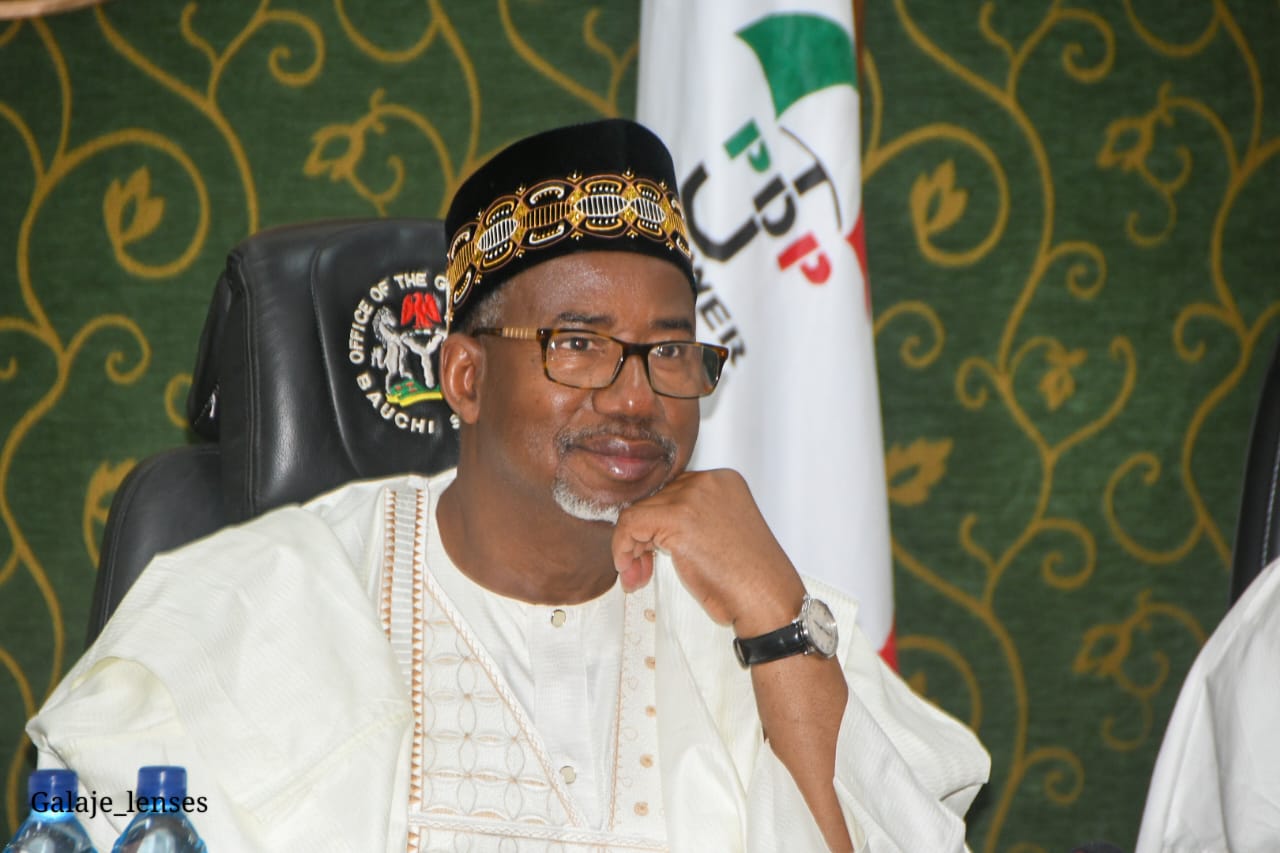
EDITORIAL
The defection of Bala Mohammed from the Peoples Democratic Party (PDP) to the Allied Peoples Movement (APM) is not just another episode in Nigeria’s long history of party switching, it is a bold political calculation that could either redefine Bauchi politics or expose the limits of personal political structures.
After failed attempts to woo the governor to the All Progressives Congress (APC) and the African Democratic Congress, (ADC) Mohammed finally made a shocking move to APM , a relative hitherto unknown political party.
At the heart of this move lies Mohammed’s Senate ambition. By seeking a return to the National Assembly, the governor appears to be retreating from executive power while simultaneously repositioning himself within a more controlled and predictable political environment.
The Senate offers him relevance without the turbulence that currently plagues the PDP, a party struggling to maintain coherence amid internal divisions.
Yet, this is not merely about one man’s ambition. The governor’s migration to the APM effectively transports an entire political ecosystem—loyalists, appointees, and grassroots operatives—into a relatively smaller party.
In doing so, Mohammed is attempting something ambitious: to transform the APM in Bauchi from a marginal platform into a dominant political force.
For his supporters, this shift brings renewed hope. In a political climate where internal party crises often suffocate aspirations, the APM may offer a clearer pathway to candidacy.
Tickets may be easier to secure, internal competition less suffocating, and loyalty more readily rewarded. For many aspiring politicians, this is not just a defection—it is an opening.
However, optimism must be tempered with realism. Political success in Nigeria is not built on structure alone; it also depends on perception, reach, and national relevance.
The PDP, despite its troubles, remains a recognized brand, while the APM still struggles for widespread acceptance.
The question, therefore, is whether Mohammed’s personal influence can compensate for the institutional limitations of his new party.
There is also a broader concern.
Nigeria’s democracy suffers when political parties become mere vehicles of convenience rather than institutions grounded in ideology.
Frequent defections, especially by powerful figures, risk weakening party systems and deepening a culture where loyalty is transactional rather than principled.
Still, Nigerian politics has often rewarded bold moves.
If Mohammed succeeds in consolidating power within the APM and delivering electoral victories, his defection could be seen as visionary.
If he fails, it may serve as a cautionary tale about the risks of abandoning established platforms for uncertain alternatives.
Ultimately, the electorate will decide. For now, Bala Mohammed has rolled the dice, not just for himself, but for a political movement that now depends on his ability to turn strategy into success.



Correspondents’ Chapel Congratulates Gadau, New NUJ Bauchi Chairman
From Paul Orude, Bauchi The Correspondents’ Chapel of the Nigeria Union of Journalists (NUJ), Bauchi State Council, has congratulated Comrade...


Bauchi NUJ Council Elects Gadau as Chairman, New Officials
From Paul Orude , Bauchi The Nigeria Union of Journalists (NUJ), Bauchi State Council, has on Saturday elected Comrade Isah...


Taraba 2027 Guber Race: APGA unveils campaign council
By Andrew Ojih, Jalingo. The governorship candidate of the All Progressives Grand Alliance in Taraba State, Danjuma Usman Shiddi Friday...


Bauchi Bye-Election: Police Arrest 50 Armed Suspects as Govt Raises Alarm Over Voters’ Arrests
From Paul Orude Bauchi The Bauchi State Government has raised concerns over the alleged arrest of voters by security personnel...


Bauchi Coalition Targets 10,000 Volunteers for Halliru Jika’s 2027 Guber Bid
From Paul Orude Bauchi The Coalition of Concerned People of Bauchi State has announced plans to mobilise about 10,000 volunteers...


Mining Pit Collapse Claims Over 20 Lives in Taraba
By Andrew Ojih, Jalingo No fewer than 20 people, including women and children, were feared dead on Thursday after a...


Bauchi NUJ Election: Ahmed Mohammed Promises Transparent Leadership
From Paul Orude Bauchi Chairmanship candidate of the Nigerian Union of Journalists (NUJ), Bauchi State Council in the September 19...


Gadau Seeks Correspondents’ Chapel Support, Promises to Consolidate NUJ Gains
From Paul Orude Bauchi Chairmanship candidate in the forthcoming Nigeria Union of Journalists (NUJ), Bauchi State Council election, Isa Gadau,...


Banditry Allegations: I’m Ready for Prosecution, Senator Buba challenges security agencies
From Paul Orude Bauchi Senator Shehu Buba Umar, representing Bauchi South Senatorial District, has challenged security agencies to investigate allegations...


Governor Bala Mohammed Mourns Bamanga Tukur, Hails His Contributions to Nigeria
From Paul Orude Bauchi Bauchi State Governor, Senator Bala Abdulkadir Mohammed, has expressed deep sorrow over the death of elder...
-
News5 days ago
Gadau Seeks Correspondents’ Chapel Support, Promises to Consolidate NUJ Gains
-
News3 days ago
Bauchi NUJ Election: Ahmed Mohammed Promises Transparent Leadership
-
News6 days ago
Governor Bala Mohammed Mourns Bamanga Tukur, Hails His Contributions to Nigeria
-
News6 days ago
Banditry Allegations: I’m Ready for Prosecution, Senator Buba challenges security agencies
-

 Politics7 days ago
Address Credibility Questions Surrounding Your Candidate First, KEPYO Tells Tadurga, ADC
-

 News6 days ago
Gombe 2027: Tinka Receives APC Chieftain Babawo Dukku Into ADC
-
News3 days ago
Mining Pit Collapse Claims Over 20 Lives in Taraba
-
News18 hours ago
Bauchi NUJ Council Elects Gadau as Chairman, New Officials