

News
Yobe Moves Beyond IDP Camps, Faces Funding Hurdles in Resettlement Drive


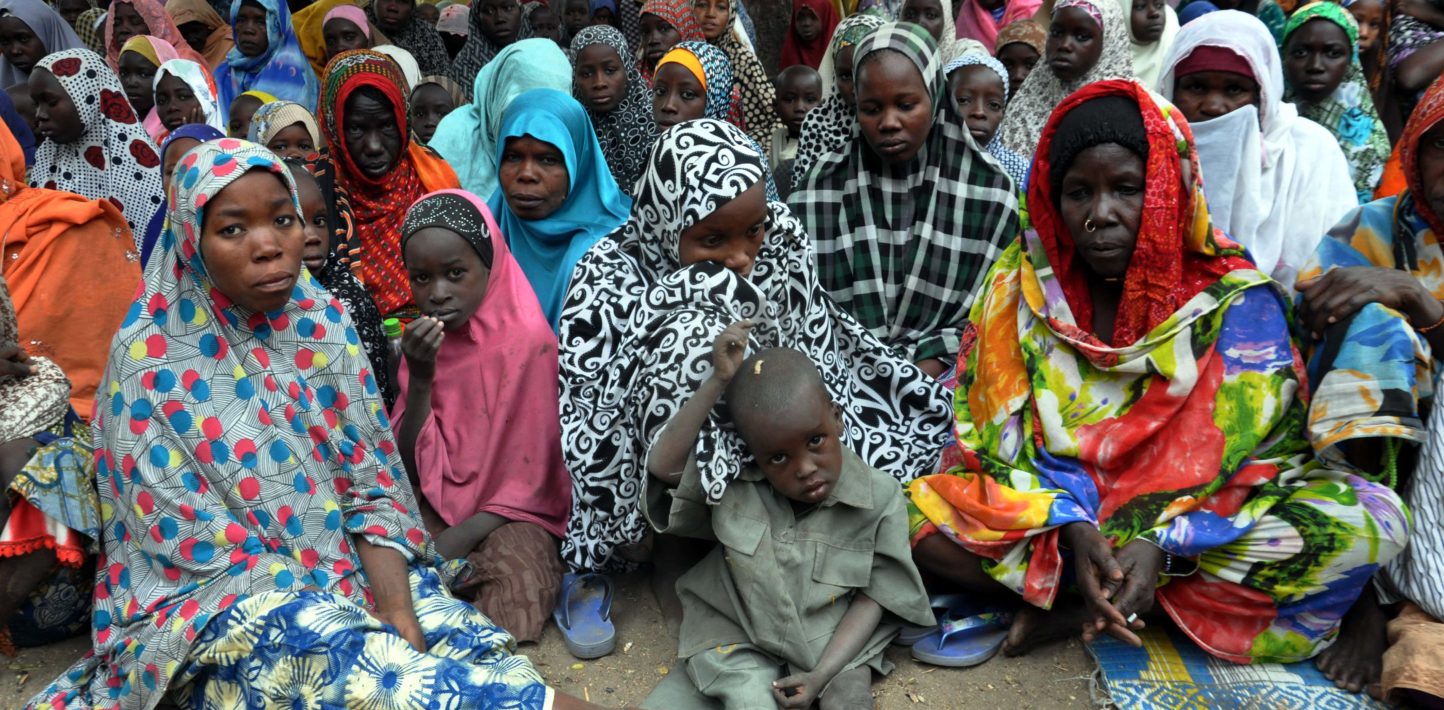
Despite security improvements, internally displaced persons (IDPs) in Yobe State are still struggling with limited access to means of survival
of survival, the Executive Secretary of the Yobe State Emergency Management Agency (SEMA) Mohammed Gone, has said.
Speaking on Channels Television’s The Morning Brief on Wednesday, Goje acknowledged the humanitarian concerns but maintained that the state’s approach had transitioned from temporary camps to more “durable and realistic” solutions.
“In Yobe State, the context is entirely different. We have already moved from IDPs in camps to a more realistic and durable solution,” he said.
Speaking on Channels Television’s The Morning Brief on Wednesday, Goje acknowledged the humanitarian concerns but maintained that the state’s approach had transitioned from temporary camps to more “durable and realistic” solutions.
“In Yobe State, the context is entirely different. We have already moved from IDPs in camps to a more realistic and durable solution,” he said.
According to him, most IDPs in the state had been resettled, except for those from Mandunari town — a community still undergoing reconstruction.
He explained that the government was rebuilding critical infrastructure in Mandunari, including housing, healthcare, education, water, and security facilities, to enable the safe and sustainable return of its residents.
Goje admitted that although security had improved across the state, significant challenges remained — particularly due to funding constraints and declining international support.
“Even though there have been tremendous improvements, because of the funding constraints — funding we do not partake — and other development challenges, the return of IDPs comes with a larger burden to the government.
“And when I say the government, I mean in terms of resettlement, in terms of giving them their livelihood, and in terms of returning them to their ancestral threats and businesses. These are a huge challenge to the government,” he stated.
He noted that Yobe’s displacement issues were especially complex because many of the affected people come from rural and nomadic “horse communities,” which required tailored reintegration plans and livelihood support.
To address these challenges, Goje said the government was using a three-pathway strategy for IDP resettlement: return, integration, or relocation — each backed by a specific support package.
These include housing for returnees, assistance for host communities, and development projects to strengthen basic services.
He also disclosed that a comprehensive state-level IDP policy has been developed, focusing on closing sectoral gaps in health, water, environment, and education.
“We have revealed the gap accompanied by the challenge — especially with the withdrawal of US aid — and we have defined our gaps based on health, water, environment, and education, all in order to see how the government can fix and close the gap,” he added.
THE. STREET JOURNAL


BRC MD Appreciates Bauchi Govt Over 163 Staff Regularisation, AM Transmitter
From Paul Orude, Bauchi The Managing Director of the Bauchi Radio Corporation (BRC), Malam Umar Mohammed Shira, has expressed appreciation...


CSOs Demand Investigation of Senator Shehu Buba Over Alleged Banditry Links
From Paul Orude, Bauchi A coalition of civil society organisations under the aegis of the Coalition of Civil Society Organisations...


Bauchi Flags Off N10bn Gratuity Payment to First Batch of 1,700 Pensioners
From Paul Orude, Bauchi The Bauchi State Government on Wednesday flagged off the payment of N10 billion in outstanding gratuity...


Barde Kukuri Appreciates Buni, Others Over Appointment as Permanent Secretary
By Paul David Orude Abdullahi Barde Kukuri, has expressed appreciation to Yobe State Governor, Mai Mala Buni, for appointing him...


Correspondents’ Chapel Congratulates Gadau, New NUJ Bauchi Chairman
From Paul Orude, Bauchi The Correspondents’ Chapel of the Nigeria Union of Journalists (NUJ), Bauchi State Council, has congratulated Comrade...


Bauchi NUJ Council Elects Gadau as Chairman, New Officials
From Paul Orude , Bauchi The Nigeria Union of Journalists (NUJ), Bauchi State Council, has on Saturday elected Comrade Isah...


Taraba 2027 Guber Race: APGA unveils campaign council
By Andrew Ojih, Jalingo. The governorship candidate of the All Progressives Grand Alliance in Taraba State, Danjuma Usman Shiddi Friday...


Bauchi Bye-Election: Police Arrest 50 Armed Suspects as Govt Raises Alarm Over Voters’ Arrests
From Paul Orude Bauchi The Bauchi State Government has raised concerns over the alleged arrest of voters by security personnel...


Bauchi Coalition Targets 10,000 Volunteers for Halliru Jika’s 2027 Guber Bid
From Paul Orude Bauchi The Coalition of Concerned People of Bauchi State has announced plans to mobilise about 10,000 volunteers...


Mining Pit Collapse Claims Over 20 Lives in Taraba
By Andrew Ojih, Jalingo No fewer than 20 people, including women and children, were feared dead on Thursday after a...
-
News4 days ago
Bauchi Flags Off N10bn Gratuity Payment to First Batch of 1,700 Pensioners
-
News7 days ago
Correspondents’ Chapel Congratulates Gadau, New NUJ Bauchi Chairman
-
News1 day ago
BRC MD Appreciates Bauchi Govt Over 163 Staff Regularisation, AM Transmitter
-
News4 days ago
CSOs Demand Investigation of Senator Shehu Buba Over Alleged Banditry Links
-
News4 days ago
Barde Kukuri Appreciates Buni, Others Over Appointment as Permanent Secretary