

News
Yobe Moves Beyond IDP Camps, Faces Funding Hurdles in Resettlement Drive


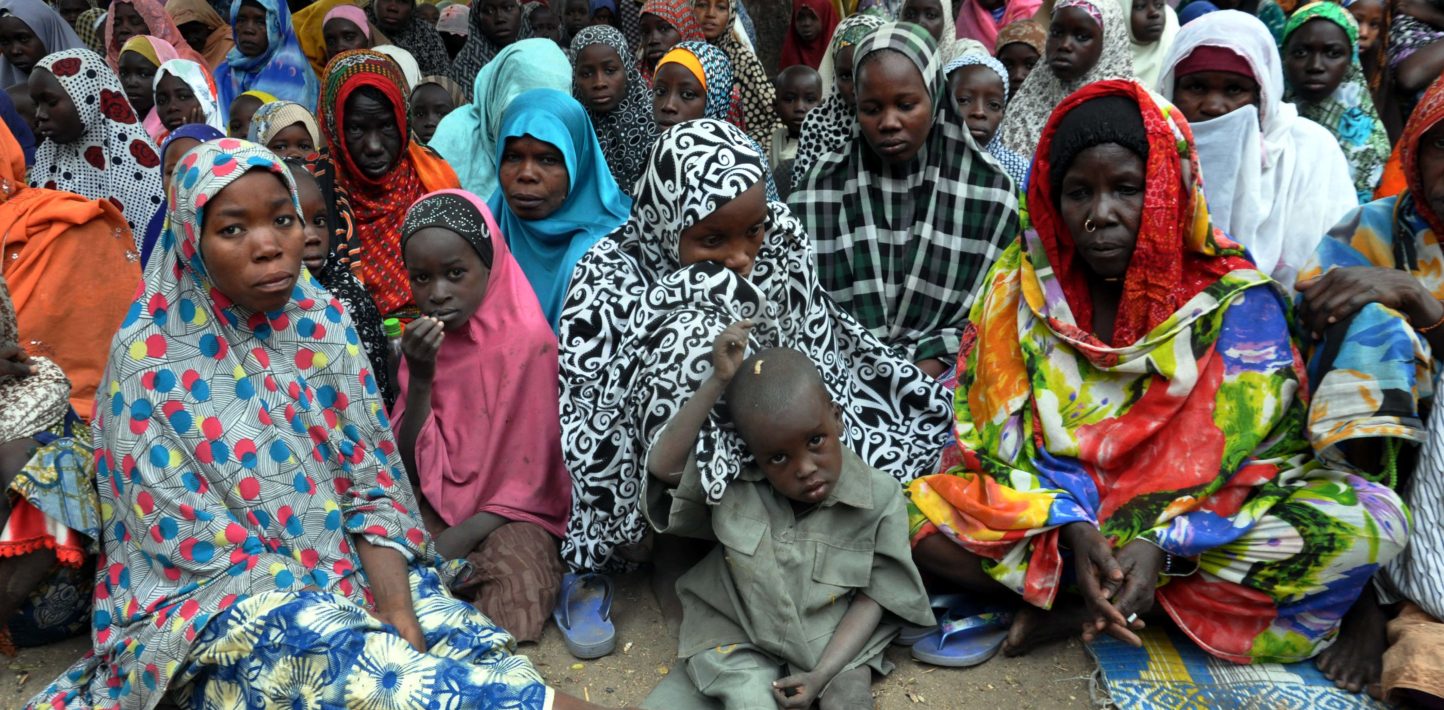
Despite security improvements, internally displaced persons (IDPs) in Yobe State are still struggling with limited access to means of survival
of survival, the Executive Secretary of the Yobe State Emergency Management Agency (SEMA) Mohammed Gone, has said.
Speaking on Channels Television’s The Morning Brief on Wednesday, Goje acknowledged the humanitarian concerns but maintained that the state’s approach had transitioned from temporary camps to more “durable and realistic” solutions.
“In Yobe State, the context is entirely different. We have already moved from IDPs in camps to a more realistic and durable solution,” he said.
According to him, most IDPs in the state had been resettled, except for those from Mandunari town — a community still undergoing reconstruction.
He explained that the government was rebuilding critical infrastructure in Mandunari, including housing, healthcare, education, water, and security facilities, to enable the safe and sustainable return of its residents.
Goje admitted that although security had improved across the state, significant challenges remained — particularly due to funding constraints and declining international support.
“Even though there have been tremendous improvements, because of the funding constraints — funding we do not partake — and other development challenges, the return of IDPs comes with a larger burden to the government.
“And when I say the government, I mean in terms of resettlement, in terms of giving them their livelihood, and in terms of returning them to their ancestral threats and businesses. These are a huge challenge to the government,” he stated.
He noted that Yobe’s displacement issues were especially complex because many of the affected people come from rural and nomadic “horse communities,” which required tailored reintegration plans and livelihood support.
To address these challenges, Goje said the government was using a three-pathway strategy for IDP resettlement: return, integration, or relocation — each backed by a specific support package.
These include housing for returnees, assistance for host communities, and development projects to strengthen basic services.
He also disclosed that a comprehensive state-level IDP policy has been developed, focusing on closing sectoral gaps in health, water, environment, and education.
“We have revealed the gap accompanied by the challenge — especially with the withdrawal of US aid — and we have defined our gaps based on health, water, environment, and education, all in order to see how the government can fix and close the gap,” he added.
THE. STREET JOURNAL


Bauchi: APM Leadership Crisis Deepens as Committee Rejects Mai Takalminroba’s Claim to Leadership
From Paul Orude, Bauchi The leadership crisis rocking the Allied Peoples Movement (APM) in Bauchi State has taken a fresh...


Taraba Records 115 Road Crashes Between January and October – FRSC Sector Commander
By Andrew Ojih, Jalingo. The Taraba state Sector Commander of the Federal Road Safety Corps, Mrs Anna Attah on Thursday...


Taraba: Gunmen kill MACBAN leader in Takum
By Andrew Ojih, Jalingo The chairman of the Miyetti Allah Cattle Breeders Association of Nigeria, MACBAN, Alhaji Ibrahim Dio, in Takum...


Makinde Flags Off 2027 Campaign in Bauchi, Seeks Support for Nigeria’s Reset
From Paul Orude Bauchi The presidential candidate of the Allied Peoples Movement (APM), Governor Seyi Makinde on Saturday flagged off...


Emotion as Chiroma Breaks Down During Swearing-In as Zaki LGA Chairman After Predecessor’s Death
From Paul Orude Bauchi The Bauchi State Government has sworn in Ibrahim Chiroma, the former Deputy Chairman of Zaki Local...


FG launches national framework for peace, social cohesion
By Najeeb Sani The Federal Government has launched the National Framework for Peace, Social Cohesion and Resilience, a shared national...


JUST IN: 2027: Atiku’s campaign convoy reportedly attacked in Kebbi
Our Editor The campaign convoy of the African Democratic Congress (ADC) presidential candidate, Atiku Abubakar, has reportedly come under attack...


Bauchi Governor Approves Official Vehicles, Salary Review for Magistrates, Shari’a Court Judges
From Muazu Hardawa, Bauchi Bauchi State Governor, Senator Bala Abdulkadir Mohammed, has approved the provision of official vehicles for Magistrates...


NUC Approves 17 Postgraduate Programmes For North-Eastern University Gombe
By Najeeb Sani North-Eastern University (NEU) Gombe has secured approval from the National Universities Commission (NUC) to run 17 postgraduate...


Bauchi CP, NUJ Correspondents’ Chapel Pledge Stronger Partnership Ahead of 2027 Elections
CP Sani-Omolori Aliyu, mni, psc (+), with the Comrade Rauf Oyewole led leadership of the Correspondents’ Chapel during a courtesy...
-
News6 days ago
Emotion as Chiroma Breaks Down During Swearing-In as Zaki LGA Chairman After Predecessor’s Death
-
News6 days ago
Makinde Flags Off 2027 Campaign in Bauchi, Seeks Support for Nigeria’s Reset
-
News2 days ago
Taraba: Gunmen kill MACBAN leader in Takum
-

 Politics2 days ago
Taraba APC announces grassroots mobilisation for Tinubu, Kefas
-
News13 hours ago
Bauchi: APM Leadership Crisis Deepens as Committee Rejects Mai Takalminroba’s Claim to Leadership
-
News15 hours ago
Taraba Records 115 Road Crashes Between January and October – FRSC Sector Commander
-

 Crime14 hours ago
Insecurity: FG Security Agency, Correctional Service Strengthen Partnership Against Illicit Arms in North-East
-

 Education11 hours ago
NBC Approves 98.1 FM Frequency for Federal Polytechnic Bauchi Radio Station