
Entertainment
My passion is to empower women – Rashida Yusuf Mohammed, NAWOJ Chairperson Bauchi

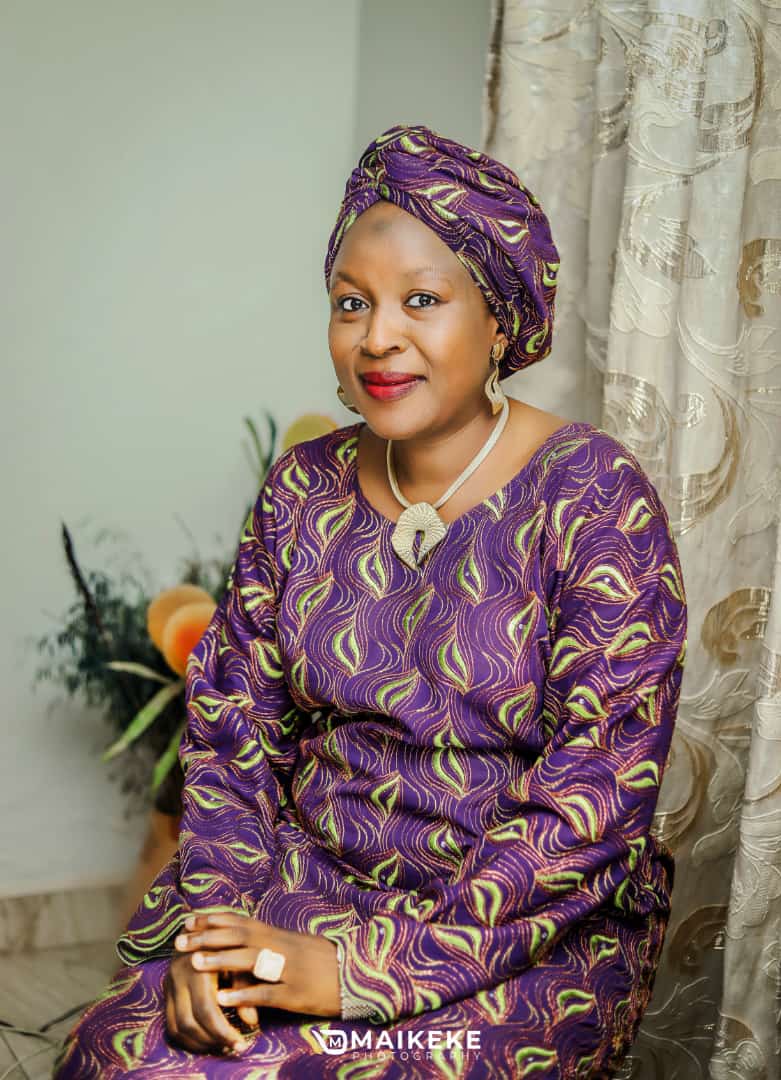
From Paul Orude Bauchi
Mrs Rashida Yusuf Mohammed is the Chairperson of the Nigeria Association of Women Journalists (NAWOJ) Bauchi State Chapter, has expressed great delight leading female journalists in Bauchi State.
In this exclusive interview with Metoric post, she expressed gratitude for the overwhelming support given to her by members of the association and promised to use the office to improve their lives through training and empowerment programmes
You are currently the NAWAOJ Chairperson in Bauchi State. How did the journey start?
I had started a long time ago nurturing the ambition because I have passion for supporting women’s development or to touch the lives of women anywhere they are. Everyone that stays with me knows that I always want to see how I can contribute to the development of women or to touch the lives of women. Not only NAWOJ but I have been working with so many women organizations. I said if I am a journalist and we have an association that is directly for women why can’t I go and contribute my quota there because there are things we know and there are things we don’t know as women journalists. If I can push it I can do it for the women folk since other organisations are doing it for women why not NAWOJ. I felt it in me to look for that seat to touch the lives of women journalists and they were very supportive of my ambition. In fact this is the first NAWOJ election that was conducted with people supporting you massively without even you knowing them. I appreciate them. I am indebted to them and I must see how can pay them back by touching their lives in all aspects
What is your priority as NAWOJ Chair person in Bauchi State?
I want to see that all my members are professionally updated. They should be conversant with the dos and don’ts of the profession. I would like to I pact positively in their lives by ensuring that they are up t date in this our profession. You know it is demanding as I said before and I truly want to see that the profession does not hinder their personal advancement. That is why I have introduced in my campaign how I can train them in various skills to stand on their own. They should not rely on their husbands and profession too much. If you close from work you should find something to fall back on. We will train them on modern agriculture, health related issues among others.
How has the journey been in terms of trying to implement your vision?
I just closed from a meeting with a serious donor in the state and from the outcome of the meeting my members will smile and soon we will start seeing the change that we are yearning for. It will start manifesting within a short period of time. I have been collaborating with so many NGOs MDAs and stakeholders that deal with women to ensure that my women are in good shape and good conditions in this profession. I solicit from my embers support to keep the support. I enjoy it and I really appreciate it. I don’t know how to thank them because this is the first time that NAWOJIANS unite under one umbrella and their cooperation in all aspect really encourage me. I like to assure them that I will justify the confidence repose in me my members.
How did you become a journalist?
I was interested in journalism since my childhood. I had wanted to be a broadcaster. Even in my school when we were doing career day they would asked us what we want to become in life I would say I want to become a broadcaster, and to God be the glory I am now a broadcaster and a seasoned journalist.
Did you have anybody that was a role model?
Yeah. When I was a kid there was Hauwa Baba Ahmed and Eugene Abu. I so much adored these women and always wanted to be like them when I was a kid
So how was it like when you started your career as a journalist?Y
You know in this profession always you must face so many obstacles. I started as a reporter with NTA Kaduna. I worked with them as a casual staff. There the late Managing Director of the Bauchi State Television Authority (BATV) Ibrahim Umaru Odubo saw the potentials in me through one of my lecturers, Mallam Auwalu Bala Aminu, the then Head of Department, Mass Communication, Federal Polytechnic, Bauchi and said if they groom her she would become somebody and they then took me to NTA College, Jos for training. I was there and was opportune to be part of their Basic Journalism training. I completed the training and after the training I came back here and started working as a journalist. The journalism of the early 2000 is entirely different from the journalism of nowadays. Before people saw us as trying to witch-hunt them and were not free with you. But nowadays people are free with journalists. In fact, people now eat and chat with journalists but then most people were scared of us when l first started. That was around 2003. No matter how small or big you are they did not want to open up and discuss sensitive issues with you. You found it difficult to get information you needed to compile my stories. We had to keep persuading people but now you see information everywhere.
Were there experiences that you would never forget?
Yes I have been beaten three times by soldiers in the course of doing my work. There was once a small riot in town between soldiers and police. I was a young journalist then. I could not run. Our camera was snatched by the soldiers. Police rescued us but we were tear-gassed. There was another crisis in town, specifically at Wunti. I was beaten, my clothes were torn. In fact even my station wondered if I was their target. The experiences were bitter but at the end of the day I picked up and continued
Why didn’t you quit?
I had passion for the work. I wanted to do it and I found myself doing what I loved. After my beatings I became the talk of the town. The story was all over the place of how a female journalist was beaten and her clothes torn.
Were your parents supportive of your dream to be a journalist?
My father, Late Alhaji Mohammed Yusuf Tintin was very supportive of his children. Anything you wanted to become in life if it’s going to be beneficial to the society he would support you. He was not educated but was privileged to work with people who were educated. He worked with an oil company and became a sales rep. When he retired he became a dealer. He wanted to see all his children succeed in life, he supported everyone, even the female children. He was a Fulani man who grew up in the bush. I was born in the bush, in a cattle ranch. After working with missionaries my father became enticed with the view that if you are not educated you would not amount to somebody in life. So the missionaries encouraged him and he also encouraged many people in my area because he took all his children to school even though he was not educated. He encouraged us. I didn’t tell him of any challenge in my job because he would tell me to go back and do my work because he want you to become successful in what you do.
How did you become the media aid to former Governor, Barrister Mohammed Abubakar’s wife?
I didn’t see it as a surprise because she enjoyed working with me as a reporter. I was posted to the office of the First Lady as a reporter in my station. There she picked an interest in me and subsequently she knew l could do the job of Press Secretary although there were so many attempts from people who wanted to be her press secretary. She insisted she wanted to work with me because she enjoyed working with me as a reporter. So even before I became her Press Secretary I knew how she wanted to operate, how she did her things. I have been going the way she wanted it and in my profession I always put in my best to ensure I do my work well and she liked that. She encouraged me a lot because she is also a workaholic.
What were the challenges of working as a Press Secretary to a Governor’s wife?
As I said I am a workaholic so I was already prepared. I knew I was going to do something there and I know I have been working first as a reporter in the Deputy Governor’s office and I know the challenges of the office so I had already prepared my mind to be a Press Secretary. I know the work of that office already so it was easy for me to work with herHow successful can female journalist keep their homes and career by striking a balance?It’s truly not easy because as a journalist you have lots of challenges both at home and the working place. Like me that is in broadcast, if I will present that day I will have to stay till 9:00 pm in the office. If I have a story in the morning I would have to report by 6: o’clock in the morning in the studio. So female journalists must marry somebody that will understand them. That person that understands the nature of your job so that you will not be having issues with him because he knows this is what you do and he is ready to support you if not there will be a serious problem. Our job is time demanding.


Taraba Attack Death Toll Rises to 62, 52 Injured, Thousands Displaced
Our Editor The death toll in Friday’s gunmen attack on Binnari community in Karim-Lamido Local Government Area of Taraba State...


Taraba Killings: Gov Kefas Postpones Lamido Gashaka’s 10th Anniversary, Zing LGA’s 50th Anniversary as Death Toll Hits 57
By Andrew Ojih, Jalingo Taraba State Governor, Agbu Kefas, has ordered the postponement of the 10th anniversary celebration of the...


APM Inaugurates Caretaker Committee in Bauchi, Shehu Daji Named Chairman
From Paul Orude Bauchi The National Chairman of the Allied Peoples Movement (APM), Alhaji Yusuf Mamman Dantalle, on Tuesday inaugurated...


Gratuities: Bauchi Pays N5.2bn to 2737 Retirees, Begins 2015 Payments Monday
From Paul Orude Bauchi Bauchi State government has disbursed the total sum of N5.2 billion in gratuities to no fewer...


Taraba Attack Claims Over 40 Lives as TSEMA Distributes Relief Items to Victims
By Andrew Ojih, Jalingo. Following the Friday midnight attack that claimed over 40 lives in Binnari community in Karim Lamido...


World Polio Day: Bauchi First Lady Urges Vaccination as UNICEF, Rotary Renew Eradication Call
From Paul Orude Bauchi Hajia Aisha Bala Mohammed, wife of the Bauchi State Governor, Sen. Bala Abdulkadir Mohammed, has urged...


Crisis Hits Bauchi APM as Faction Suspends Chairman Auwal Isah
From Paul Orude, Bauchi A crisis has hit the Allied Peoples Movement (APM) in Bauchi State, as the party’s secretary...


2027: Bauchi APM Sues INEC, PRP, Shehu Buba Over PRP Governorship Candidacy Eligibility
From Paul Orude, Bauchi The Allied Peoples Movement (APM) has filed a suit at the Federal High Court, Bauchi, challenging...


Minorities Hold No Key Office in Toro Despite 60% Population – 48 Groups Cry Out
From Paul Orude, Bauchi The Chairman of the Conference of Autochthonous Ethnic Nationalities Community Development Associations (CONAECDA), Bauchi State chapter,...


FUHSA Beat Peer Health Universities to Maiden Convocation – Chancellor
…..graduates 50 pioneer students. From Paul Orude Bauchi The Federal University of Health Sciences, Azare (FUHSA) has become the first...
-

 Crime5 days ago
Insecurity: Court Orders Handover of Assorted Firearms to NCCSALW
-
News6 days ago
Crisis Hits Bauchi APM as Faction Suspends Chairman Auwal Isah
-
News2 days ago
Gratuities: Bauchi Pays N5.2bn to 2737 Retirees, Begins 2015 Payments Monday
-
News2 days ago
Taraba Attack Claims Over 40 Lives as TSEMA Distributes Relief Items to Victims
-
News3 days ago
World Polio Day: Bauchi First Lady Urges Vaccination as UNICEF, Rotary Renew Eradication Call
-

 Business and Economy5 days ago
NEDC Distributes Starter Packs To 20 Beneficiaries For Eco-Friendly Stove, Briquette Production In Bauchi
-

 Education4 days ago
Taraba: ASUSS, Federal Mortgage Bank Partner to Build 350 Housing Units for Secondary School Teachers
-

 Politics3 days ago
2027: APM Sues INEC, PRP, Deputy Governorship Candidate Over Eligibility