
Health
Lassa Fever: Experts Discuss Prevention, Treatment, and Community Engagement

By Rebecca Maina
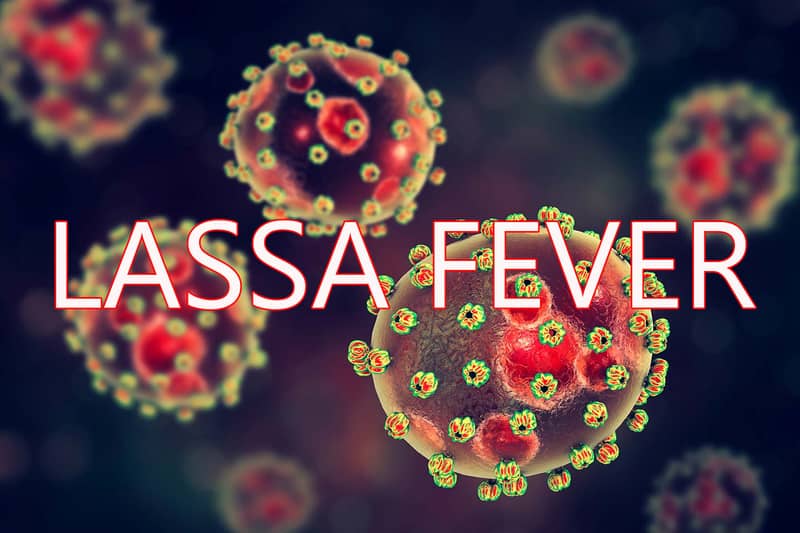
Gombe State, Nigeria. Lassa fever, a viral haemorrhagic disease endemic to West Africa, remains a significant public health challenge. In an exclusive interview, Dr. Suraj Abdulkarim Director Research and Statistics Gombe State Ministry of Health and The Project Coordinator SUFABEL Community Development Initiative Mr Paul Balogun shed light on the disease, its transmission, treatment, and prevention strategies.
Understanding Lassa Fever
Dr. Abdulkarim explained that Lassa fever is caused by the Lassa virus, which differs from other viral haemorrhagic fevers like Ebola by its relatively lower fatality rate and the possibility of asymptomatic infections. “Early symptoms such as fever, headache, and weakness often resemble malaria or typhoid, making diagnosis challenging,” he noted.
Transmission primarily occurs through contact with food or household items contaminated by the urine or feces of infected Mastomys rats. However, human-to-human transmission is possible, particularly in healthcare settings where infection control measures are inadequate. “Delays in diagnosis can lead to complications like organ failure, hearing loss, and death,” Dr. Abdulkarim warned.
Treatment and Prognosis
Despite the absence of a widely available vaccine, Dr. Abdulkarim highlighted that , an antiviral drug, has proven effective if administered early. “Survival rates improve significantly with early detection, but late-stage cases remain difficult to manage,” he said. While some survivors experience long-term effects, such as hearing loss, it remains unclear whether they develop lasting immunity or risk reinfection.
On vaccine development, he stated, “Efforts are ongoing, but no approved vaccine is currently available. Research is advancing, offering hope for the future.”
Challenges in Community Awareness and Engagement
Mr Paul Balogun emphasized that public awareness remains a challenge. “Many communities misunderstand Lassa fever, attributing it to spiritual causes rather than viral infection,” they said. Cultural beliefs and traditional practices can sometimes hinder containment efforts, making education crucial.
Efforts to promote rodent control and hygiene are met with resistance in some areas. “Engagement must be culturally sensitive. We’ve found that working with religious and traditional leaders is an effective way to build trust and promote preventive behaviors,” they added.
The Role of Government and NGOs
Government agencies and non-governmental organizations play a critical role in supporting community-based prevention. “Providing education, improving healthcare infrastructure, and ensuring access to personal protective equipment for health workers are essential,” the expert noted.
Balogun revealed that SUFABEL, in collaboration with Janna Health Foundation through its COPPER CE project, is championing the inclusion of key community groups in pandemic preparedness and response platforms.
“We are working with organizations like the Network of People Living with HIV and AIDS in Nigeria (NEPWAN), the TB NETWORK, the Association of Civil Society Organizations on Malaria Control, Immunization, and Nutrition (ACOMIN), as well as religious and traditional institutions, because they have strong influence and trusted networks within their communities,” he explained.
Balogun said Integrating these groups into health response platforms ensures accurate and timely dissemination of information, combats misinformation, and enhances early disease detection.
“By empowering these groups, we create a system where they can quickly identify and report suspected health concerns within their communities,” Balogun noted. “This enables early intervention and helps prevent outbreaks from escalating into public health emergencies.”
He urged government agencies and stakeholders to support civil society efforts in disease prevention, calling for a multi-sectoral approach that integrates public health, community engagement, and policy-driven action.
A One Health Approach to Prevention
Both experts emphasized the need for a One Health approach—linking human, animal, and environmental health—to control Lassa fever effectively. “Monitoring rodent populations, improving sanitation, and integrating public health measures with veterinary and environmental sciences are key to long-term prevention,” Dr. Abdulkarim said.
Recent Case Update
According to the National Centre for Disease Control (NCDC) report for the period from January 13th to 19th, 2025, 10 states have recorded at least one confirmed case of Lassa fever across 43 Local Government Areas. Seventy-seven percent (77%) of all confirmed Lassa fever cases were reported from Ondo, Edo, and Bauchi, while 23% were reported from seven other states with confirmed cases. Of the 77% confirmed cases, Ondo reported 38%, Edo 22%, and Bauchi 17%. The predominant age group affected is 21-30 years (range: 3 to 94 years, median age: 30 years). The male-to-female ratio for confirmed cases is 1:0.8. Additionally, the number of suspected cases has increased compared to the same period in the previous yea
Conclusion
As Lassa fever remains a pressing health issue, experts stress that early diagnosis, community engagement, and a multisectoral approach are critical to controlling outbreaks. “With better awareness, stronger healthcare systems, and ongoing research, we can reduce the burden of Lassa fever,” Dr. Abdulkarim concluded.
END


Bauchi Commissioner Urges Broadcasters to Tackle Misinformation
From Paul Orude Bauchi The Bauchi State Commissioner for Information and Communication, Usman Usman Shehu, has urged Nigerian broadcasters to...


Six NDC governorship candidates reject Babachir Lawal as North-East leader
From Paul Orude Bauchi Six governorship candidates of the Nigeria Democratic Congress (NDC) in the North-East have rejected the appointment...


Bauchi Begins Distribution of 4.8m Mosquito Nets to Protect 9.9m Residents
From Paul Orude Bauchi The Bauchi State Government has commenced the distribution of 4.8 million insecticide-treated mosquito nets (ITNs) to...


BRC MD Appreciates Bauchi Govt Over 163 Staff Regularisation, AM Transmitter
From Paul Orude, Bauchi The Managing Director of the Bauchi Radio Corporation (BRC), Malam Umar Mohammed Shira, has expressed appreciation...


CSOs Demand Investigation of Senator Shehu Buba Over Alleged Banditry Links
From Paul Orude, Bauchi A coalition of civil society organisations under the aegis of the Coalition of Civil Society Organisations...


Bauchi Flags Off N10bn Gratuity Payment to First Batch of 1,700 Pensioners
From Paul Orude, Bauchi The Bauchi State Government on Wednesday flagged off the payment of N10 billion in outstanding gratuity...


Barde Kukuri Appreciates Buni, Others Over Appointment as Permanent Secretary
By Paul David Orude Abdullahi Barde Kukuri, has expressed appreciation to Yobe State Governor, Mai Mala Buni, for appointing him...


Correspondents’ Chapel Congratulates Gadau, New NUJ Bauchi Chairman
From Paul Orude, Bauchi The Correspondents’ Chapel of the Nigeria Union of Journalists (NUJ), Bauchi State Council, has congratulated Comrade...


Bauchi NUJ Council Elects Gadau as Chairman, New Officials
From Paul Orude , Bauchi The Nigeria Union of Journalists (NUJ), Bauchi State Council, has on Saturday elected Comrade Isah...


Taraba 2027 Guber Race: APGA unveils campaign council
By Andrew Ojih, Jalingo. The governorship candidate of the All Progressives Grand Alliance in Taraba State, Danjuma Usman Shiddi Friday...
-
News5 days ago
Bauchi Flags Off N10bn Gratuity Payment to First Batch of 1,700 Pensioners
-
News3 days ago
BRC MD Appreciates Bauchi Govt Over 163 Staff Regularisation, AM Transmitter
-
News5 days ago
CSOs Demand Investigation of Senator Shehu Buba Over Alleged Banditry Links
-
News6 days ago
Barde Kukuri Appreciates Buni, Others Over Appointment as Permanent Secretary
-
News2 days ago
Bauchi Begins Distribution of 4.8m Mosquito Nets to Protect 9.9m Residents
-
News13 hours ago
Six NDC governorship candidates reject Babachir Lawal as North-East leader
-
News4 hours ago
Bauchi Commissioner Urges Broadcasters to Tackle Misinformation